
How entertainment can boost mental wellness and resilience
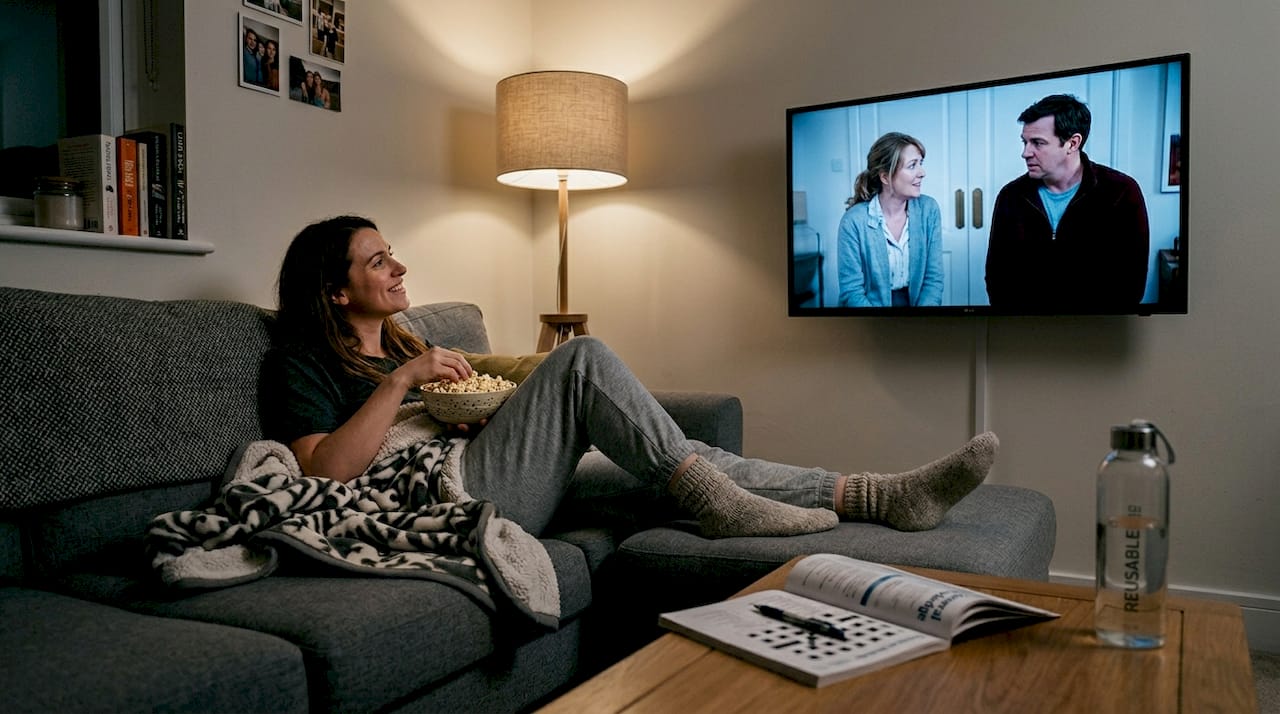
Entertainment is routinely dismissed as something you do when the real work is done. Yet the evidence tells a very different story. Far from being a guilty pleasure, engaging with media, the arts, and creative activities is now recognised as a genuine contributor to emotional resilience and psychological health. This guide unpacks why that matters, what the science actually says, and how you can use entertainment with intention so that your leisure time does more than simply pass the hours.
Table of Contents
Key Takeaways
Point | Details |
Entertainment supports wellness | Evidence shows media and the arts can reduce stress and improve mood. |
Use entertainment intentionally | Choosing purposeful activities brings lasting emotional benefits, not just distraction. |
Balance for best effect | Combining pleasure, meaning, and novelty in leisure activities strengthens resilience. |
Community makes it richer | Sharing entertainment with others can deepen its positive effects on mental health. |
Why entertainment matters for mental wellness
To better understand why entertainment is more than idle amusement, let’s unpack its core benefits to mental health.
Entertainment is a broad category. It covers everything from watching a favourite television series to attending a live theatre performance, joining a community drumming circle, or losing yourself in a novel. What unites these experiences is that they engage your attention, stir your emotions, and shift your psychological state. That shift is not trivial.
Researchers now distinguish between three types of entertainment experiences. Hedonic experiences prioritise pleasure and enjoyment. Eudaimonic experiences offer meaning, reflection, and a sense of connection to something larger than yourself. Psychologically rich experiences introduce novelty, complexity, and perspective shifts that expand how you see the world. Each type carries its own mental health value, and a well-rounded leisure life tends to draw from all three.
“Performing arts programmes significantly reduce stress, anxiety, and depression while improving quality of life in students.”
This is backed by strong evidence from university settings, where structured arts programmes produced measurable improvements in student mental health. The implications reach well beyond campus life.
Here are the core benefits that regular, varied entertainment engagement can offer:
Reduced cortisol levels and lower perceived stress
Improved mood and greater emotional regulation
Stronger sense of social connection and belonging
Enhanced creativity and cognitive flexibility
Greater capacity for empathy and perspective-taking
These are not soft, anecdotal outcomes. They are documented, repeatable effects that position entertainment as a legitimate wellness practice.
The science behind entertainment and well-being
With the value of entertainment established, it’s useful to look at the psychological theories and evidence.
The three-part framework of hedonic, eudaimonic, and psychologically rich experiences gives researchers a precise vocabulary for studying how media affects us. Each type produces different outcomes, and understanding them helps you make smarter choices about what you consume and why.
Research confirms that entertainment media benefits well-being across all three categories, though the nature of those benefits varies meaningfully.
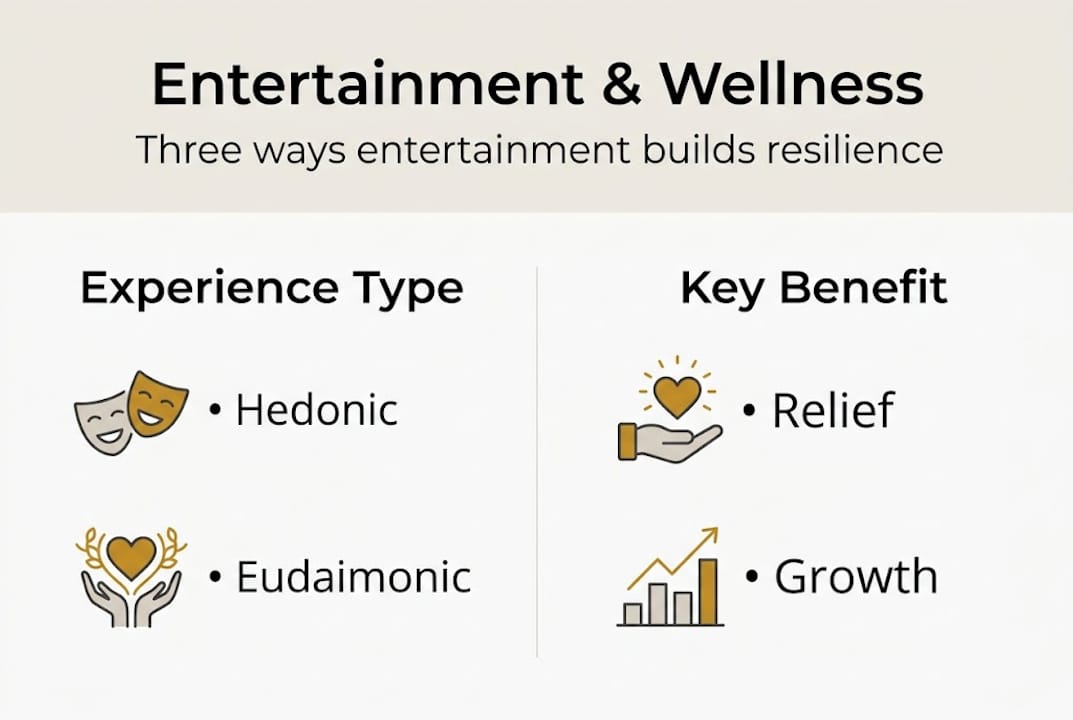
Type of experience | Primary focus | Key well-being outcome |
Hedonic | Pleasure and fun | Immediate stress relief and mood lift |
Eudaimonic | Meaning and reflection | Deeper satisfaction and sense of purpose |
Psychologically rich | Novelty and complexity | Expanded perspective and cognitive resilience |
What makes this framework particularly useful is that it explains why variety matters. Watching a comedy lifts your mood quickly. A documentary that challenges your assumptions builds resilience over time. A dance class or live concert delivers both pleasure and social connection simultaneously.
Novelty also plays a specific role. When you encounter entertainment that surprises or challenges you, your brain forms new associations and builds what psychologists call cognitive flexibility. This is the mental agility that helps you adapt when life becomes difficult. In other words, a rich and varied entertainment diet is not just enjoyable. It is genuinely protective.
Hedonic content works fastest for acute stress relief
Eudaimonic content supports long-term meaning-making
Psychologically rich content builds adaptability and resilience
Practical examples: How people use entertainment to cope and thrive
Knowing the science, we can see how these ideas play out in everyday life.
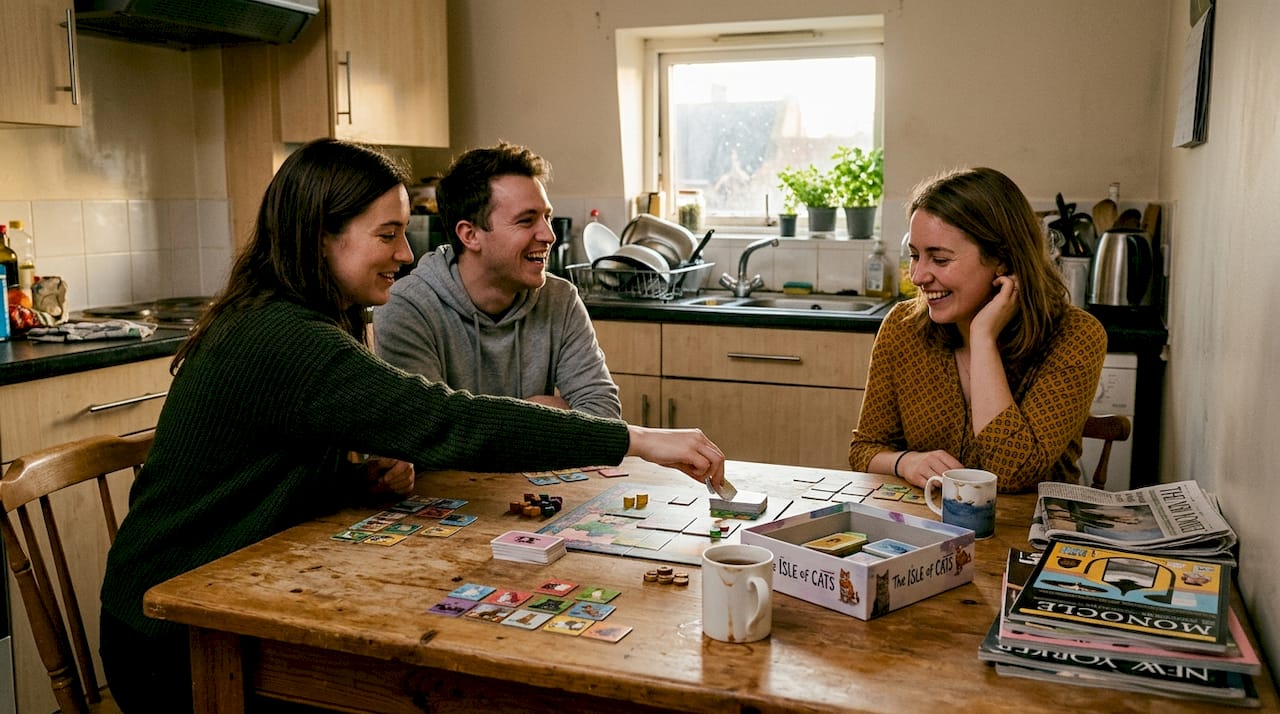
The numbers are striking. 45% of U.S. adults use comfort media for emotional relief, with comedy leading as the top stress-busting genre. People are already doing this instinctively. The question is whether they are doing it with enough intention to maximise the benefit.
Type of media | Primary emotional benefit |
Comedy films and shows | Rapid stress relief and mood elevation |
Drama and narrative fiction | Empathy building and emotional processing |
Music and live performance | Mood regulation and social bonding |
Hobby-based activities | Sense of mastery and calm focus |
Dance and movement arts | Physical release and community connection |
Here is a practical approach to using entertainment more purposefully:
Identify your current state. Are you stressed, lonely, or mentally fatigued? Match your entertainment choice to what you actually need.
Choose with intention. Pick comedy for quick relief. Choose a thought-provoking film when you want to process emotions more deeply.
Limit passive scrolling. Scrolling without purpose rarely delivers the benefits of genuinely chosen entertainment.
Join a group activity. A dance class or amateur theatre group adds social connection to the wellness equation.
Reflect briefly afterwards. A moment’s reflection on how an experience made you feel builds self-awareness over time.
Pro Tip: Rotate between hedonic, eudaimonic, and psychologically rich entertainment each week. This keeps your emotional toolkit varied and prevents the diminishing returns that come from consuming the same type of content repeatedly.
Intentional entertainment: Making wellness gains from leisure
If you want to move from passive enjoyment to active benefit, these strategies will help.
The difference between entertainment that genuinely supports your mental health and entertainment that simply fills time often comes down to intention. Choosing a show because it makes you laugh is intentional. Watching whatever autoplay serves next is not.
Psychologically rich experiences are linked to sustained well-being gains that outlast the viewing experience itself. That is a significant finding. It means the right entertainment choices continue to benefit you after the credits roll.
Here is how to build entertainment into your wellness routine with lasting effect:
Schedule leisure time deliberately. Treat it as you would any other health-supporting habit, not as something that happens when everything else is done.
Diversify your entertainment diet. Include at least one eudaimonic or psychologically rich activity each week alongside your comfort viewing.
Engage with community events. Shared experiences, whether a local arts festival, a comedy night, or a group fitness class, amplify the social and emotional benefits.
Curate your media environment. Unfollow content that consistently leaves you feeling worse and actively seek out creators and programmes that inspire or challenge you.
Notice and name your emotional responses. This simple habit turns passive consumption into active self-knowledge.
Pro Tip: Seek out content that inspires curiosity, not just comfort. A single documentary or live performance that shifts your perspective can have a more lasting impact on your well-being than hours of familiar, low-effort viewing.
A fresh perspective: Why entertainment is a wellness tool worth embracing
Looking beyond the science and strategies, consider this broader view.
There is a persistent cultural guilt around entertainment. Somewhere along the way, rest and joy became things you had to earn. That belief is not just unhelpful. It is actively harmful. Advocates and community leaders working at the intersection of wellness and culture have long understood what the research is now confirming: lasting emotional health often comes through joy and shared experience, not through relentless self-improvement or self-denial.
Michelle Akpata’s work as an advocate and philanthropist reflects this understanding. Wellness is not only built in therapy rooms or through discipline. It is built in community, through laughter, through art, and through the stories we share. Dismissing entertainment as frivolous is a luxury no one’s mental health can afford. Embrace your leisure. It is doing more for you than you realise.
Learn more and support a wellness-focused community
For those inspired by this view, here’s where you can explore further or get involved.
Michelle Akpata has built her public work around the belief that advocacy, inclusion, and wellness belong together. Her platform bridges entertainment and meaningful social impact, showing that the two are never really separate.
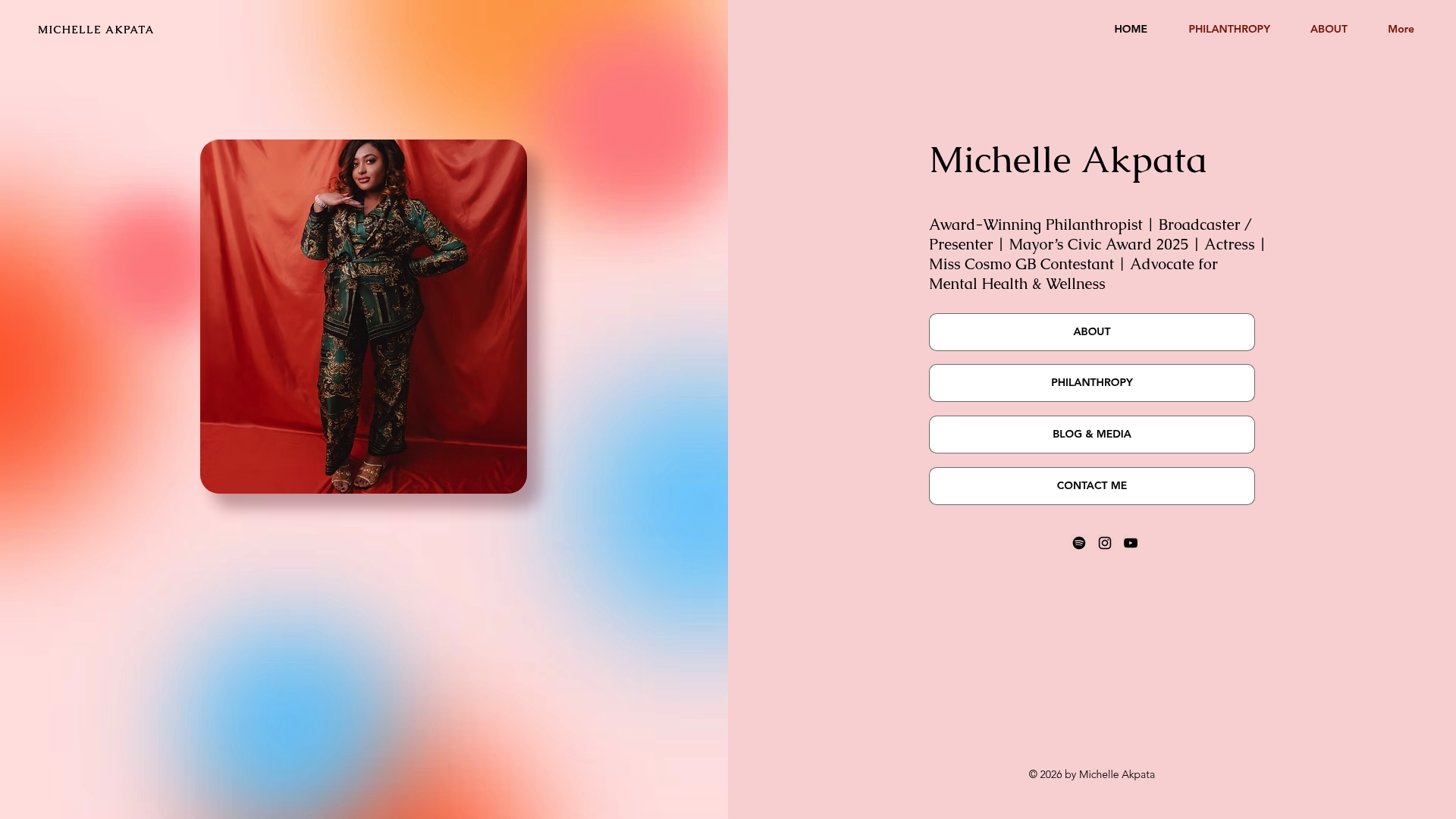
If this article has sparked something in you, take a moment to explore Michelle Akpata and discover the causes and conversations she champions. You can also learn more about Michelle Akpata’s philanthropy and find ways to support mental wellness initiatives that make a real difference in people’s lives.
Frequently asked questions
What types of entertainment are most effective for improving mental health?
Comedy tops stress-relief content at 54%, but favourite shows, hobbies, and performing arts such as drumming and dancing are all shown to support well-being in meaningful ways.
How does entertainment differ from distraction in supporting wellness?
Entertainment chosen consciously, whether hedonic, eudaimonic, or psychologically rich, offers lasting well-being benefits rather than temporary escape, because it engages your emotions and perspective actively.
Is there evidence that organised arts programmes improve mental health?
Yes. University-based drumming and dance classes significantly reduced stress and boosted quality of life for participants, demonstrating that structured arts engagement delivers measurable mental health gains.
How can someone start using entertainment intentionally for wellness?
Choose activities that bring genuine joy, schedule time for them regularly, diversify your choices across different experience types, and reflect briefly on how each activity affects your mood. Psychologically rich experiences in particular are linked to sustained gains in well-being.
Recommended


Comments